

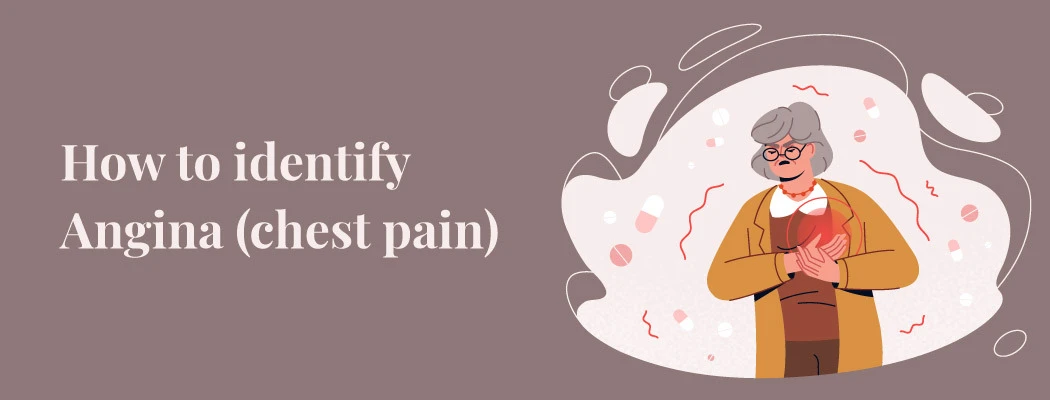

Angina is a feeling of pain, pressure, or tightness in the chest. It occurs when a part of the heart does not receive enough oxygen.
Angina is a symptom, not a disease. When one or more of the coronary arteries become thin or blocked, ischemia usually occurs. It frequently occurs as a sign of coronary heart disease (CHD).
Angina by itself is not life-threatening, but it is a sign of heart disease and can resemble the symptoms of a heart attack.
If angina comes on suddenly, does not go away, or does not improve with rest or medications, seek medical help.
Types of angina
There are several types of angina, such as
stable angina
Stable angina occurs when the heart works harder than usual, such as during exercise. It usually lasts five minutes.
It has a typical sequence and can last weeks, months or even years. Symptoms can usually be reduced with rest or medication.
unstable angina
Unstable angina has no predictable sequence and usually appears while you are at rest. Atherosclerosis, which involves a blockage that prevents blood from reaching the heart, is the main cause.
The pain may develop over time and last more than five minutes. Medication and rest may not be enough to reduce symptoms. Unstable angina may indicate a possible heart attack. Anyone who experiences sudden angina should seek emergency medical attention.
Microvascular angina
Coronary microvascular disease can cause microvascular angina (MVD). This affects the smaller coronary arteries.
In addition to chest pain, a person may feel:
Tiredness and lack of energy problems.
sleeping problems
difficulty breathing
Stable angina is more transient than microvascular angina. It frequently lasts more than 10 minutes and occasionally up to 30 minutes.
variant angina
Variants of angina are rare. Prinzmetal’s angina, as it is also known, can occur when the body is at rest, usually at midnight or early in the morning.
It occurs when the coronary arteries go into spasm. Exposure to cold, stress, medications, smoking, or cocaine use are examples of possible triggers. Although the condition is chronic, medications can help control it.
How to identify angina?
Angina symptoms
Any of the following chest sensations may be a sign of angina:
Squeezing.
Pressure
Heaviness
Squeezing.
Throughout the chest, usually below the breastbone, with a burning or painful sensation. Often the neck, jaw, arms, shoulders, throat, back, or teeth will experience pain.
Other potential signs include
Indigestion.
Acidity
weakness.
Nausea
Perspiration
Electric shock
Difficulty breathing
These symptoms can last for a while, depending on the type of angina.
Symptoms in women
In addition to acute chest discomfort, a woman with angina may also experience the following:
Nausea and vomiting
Exhaustion
Loss of breath
Abdominal pain
Angina treatments
The following measures may be helpful:
give up smoking
Control weight
Periodically monitor cholesterol levels.
Take breaks when necessary
Exercise regularly
Understand how to manage or prevent stress
Have a diet rich in fresh produce, nutritious grains, low-fat or fat-free dairy products, lean meats, and other forms of protein.
Causes of angina
In most cases, coronary artery disease is the main cause of angina.
The coronary arteries carry oxygen-rich blood to the heart. Arteries effectively narrow as cholesterol builds up and hardens, forming plaques in the arterial wall.
Smoking and arterial damage are two other factors that increase the risk of plaque deposition.
It is more difficult for oxygen-rich blood to reach the heart when the arteries are narrowed. Additionally, plaques can disintegrate, forming clots that clog the arteries.
The heart muscle cannot function properly if oxygen cannot reach the heart through the blood. It results in angina.
Angina risk factors
Angina may occur as a result of the following:
Stress
Excessive use of alcohol or recreational drugs.
Of smoking
Exposure to airborne particles.
Low level of exercise.
An unhealthy diet
High cholesterol levels
Obesity or excess weight.
Genetics
Heart disease, diabetes, low blood pressure, metabolic syndrome and anemia are some examples of conditions.
Specific medical procedures and treatments.
Diagnosis
A proper diagnosis is crucial as it can indicate whether a heart attack is likely to occur. Your doctor may suggest one or more of the following tests if he or she thinks the problem is angina:
Blood tests to measure sugar, protein, fat and cholesterol levels.
An electrocardiogram (EKG) to monitor the electrical activity of the heartbeat and identify any lack of oxygen.
A stress test that includes movement, checking blood pressure, and performing an electrocardiogram.
A nuclear stress test to look for changes in heart blood flow during exercise
A chest x-ray to see the internal organs.
Using unique dyes and x-rays, coronary angiography reveals the inside of the coronary arteries.
Angina prevention
The following measures can help prevent angina:
First, eat a varied, nutritious diet and be “heart healthy.”
Avoid or quit smoking
Exercise regularly
Practice stress management techniques.
Cardiovascular diseases and other symptoms of metabolic syndromes, such as high blood cholesterol, high blood pressure, diabetes and obesity, must be treated consistently and effectively in people.
Who can diagnose angina?
A cardiologist can help identify the root of the problem and develop the best treatment plan.
